All this country is hollow. Could you strike it with some gigantic hammer it would boom like a drum, or possibly cave in altogether and expose some huge subterranean sea wrote Sir Arthur Conan Doyle in his short story The Terror of Blue John Gap. The creator of Sherlock Holmes is referring to the hidden depths of the county and Buxton has its own excellent example.
Situated in the suburbs, you may wonder about the curious location of Buxton’s solitary show cave. If you’re a first-time visitor to town, you can be forgiven for thinking that you’re the target of some mischievous local’s prank, being sent into the sticks in search of a tourist attraction. However, it’s fair to say that the cave has been there considerably longer than the houses. The urban encroachment has something to do with Buxton’s connection to the nearby towns of Macclesfield and Leek. Green Lane, on which Poole’s Cavern is found, was once called Leek Road.


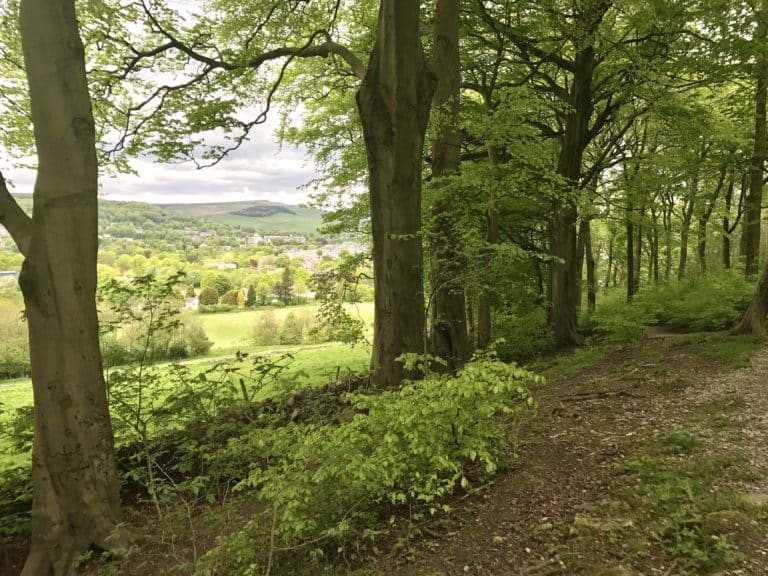
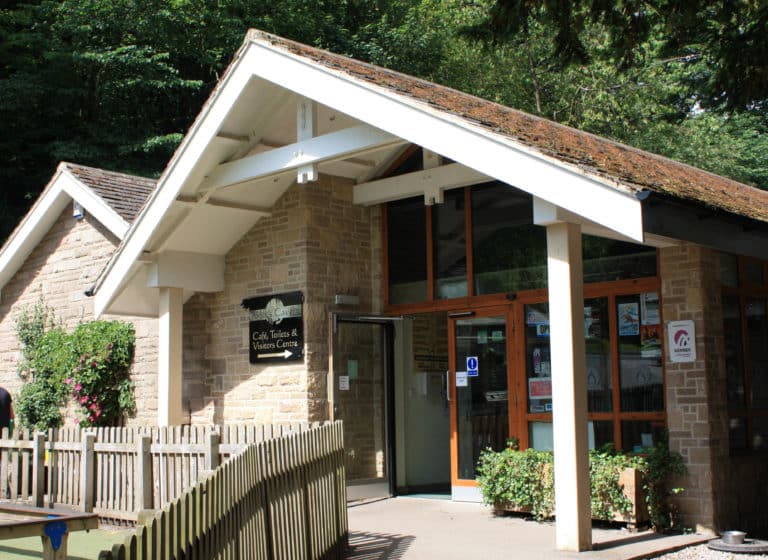
Once located, you will discover a sizable car park in the shadow of Grinlow Woods, which covers the majority of Buxton Country Park. The trees invite you onto their labyrinth of paths, some of which lead upwards to the summit, where the tower of Solomon’s Temple sits majestically, or Grinlow Folly as it is sometimes known. There is even a small but fun sculpture trail. The pay-and-display car park also serves the cavern and its café, picnic area, toilets and visitor centre. If neither show cave nor woodland trail is adrenalin-fuelled enough for you, then there is the seasonal option of the Go Ape aerial zip-wire adventure which starts here too.

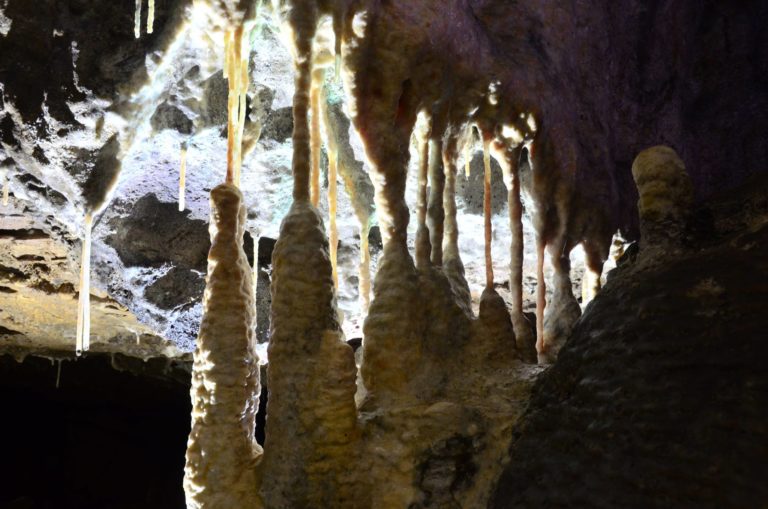
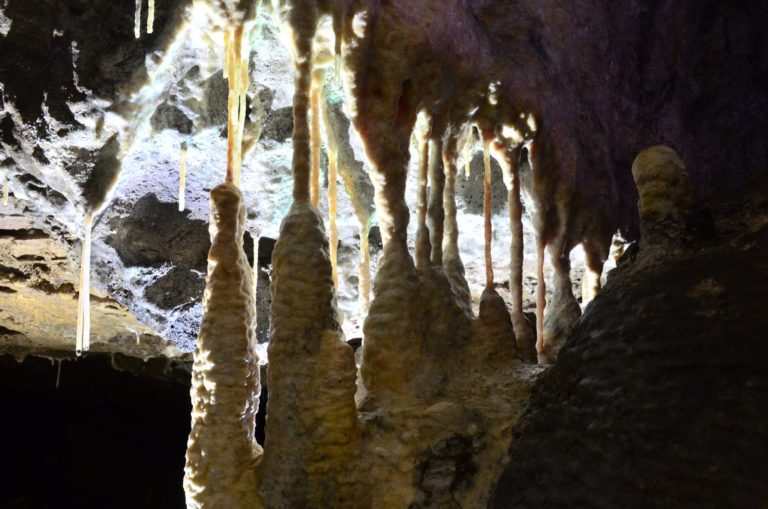
No trip to Buxton is complete without a visit to Poole’s Cavern. With prehistoric animal remains, Roman finds and Victorian investment, not to mention the legend of the outlaw Poole, the cave represents a microcosm of the town’s vibrant history. Guided and self-guided visits reveal the limestone formations beneath a modern lighting system. The cave has stunned visitors for hundreds of years. Local tradition says Mary, Queen of Scots, may have visited; you get the sense that your footsteps follow those of many generations before you. Gas lamps were installed in the cavern in 1859, using gas piped from the town.


Dye tests have revealed connections between underground water at the cavern and springs in the Wye valley. The woods also contain remnants of the town’s historic lime-burning industry. Solomon’s Temple was built on a much older monument where Bronze Age human remains were once unearthed by local antiquarian Micah Salt. Buxton Museum’s collection includes remains from Grin Low and finds from the cavern. The museum has a temporary home next to Buxton Library; check current displays before visiting.
As well as heritage, the woods are home to a diverse range of flora and fauna and you can read about wildlife at Poole’s Cavern.
Poole’s Cavern & Buxton Country Park, Green Lane, Buxton, SK17 9DH
T: 01298. 26978
W: buxtoncivicassociation.org.uk/pooles-cavern
Advertisement