Winter Solstice 2018 – Everything You Need to Know About the Shortest Day of the Year
In 2018, the winter solstice occurred on 21 December at 10.23pm GMT.
In the Northern Hemisphere, the winter solstice falls around the day with the fewest daylight hours of the year. On 21 December 2018, the Moon was waxing gibbous and became full the following day.
In London, the shortest day has about 7 hours 49 minutes of daylight, roughly 8 hours 49 minutes less than at the June solstice.
What is the Winter Solstice?
The December solstice occurs when the Sun reaches its southernmost apparent position in the sky. Earth’s axis is tilted by about 23.4 degrees relative to its orbit, so the Northern Hemisphere is tilted away from the Sun at this time.
At the December solstice, the Sun is overhead at local solar noon near the Tropic of Capricorn. North of the tropics it reaches its lowest annual midday altitude.
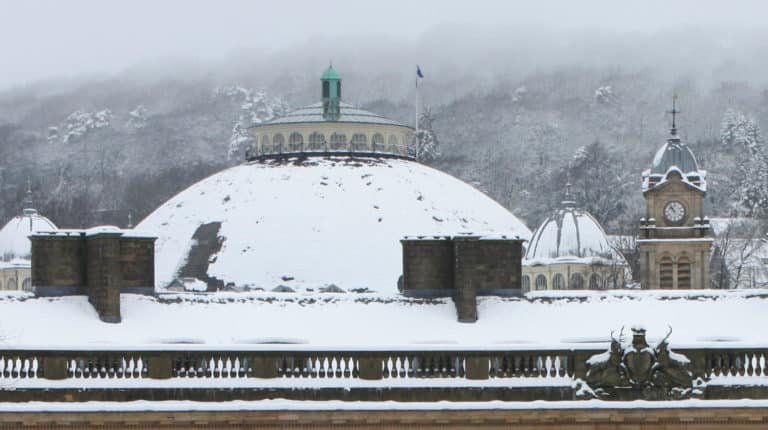
In Buxton, days begin to lengthen around the winter solstice and continue towards the summer solstice in June.
The December solstice marks summer in the Southern Hemisphere. In locations south of the tropics, the Sun reaches its highest midday altitude of the year; tropical locations have different noon-Sun patterns.
It’s always on the 21st December then?
While it more often than not falls on December 21st, the exact time of the solstice varies each year.
Around the Northern Hemisphere’s winter solstice, many locations have their shortest daylight period of the year.
In Buxton, the earliest sunset is usually before the solstice and the latest sunrise after it, because solar time and clock time do not stay in step.
The solstice time shifts because the calendar year does not exactly match Earth’s orbit. The Gregorian calendar uses leap years, with exceptions for most century years.
The solstice can happen on December 20th, 21st, 22nd or 23rd, though December 20th or 23rd solstices are rare.
The date and time of a solstice depend on the year and the local time zone.
Advertisement