How much do you know about Buxton? In A History of Buxton in Objects, the museum team tells the town’s story through objects in its collection, from fossils to evidence of industry and daily life.
This feature looks back at objects in the museum’s former Wonders of the Peak gallery. Buxton Museum and Art Gallery reopened in a temporary home next to Buxton Library on Kents Bank Road in October 2026; check the museum for current displays and visiting information.
1. Cave Lion hind leg bones found at Hindlow Quarry

Some remarkable local discoveries have been made during limestone quarrying, including this cave lion from Hindlow Quarry on the outskirts of Buxton. Cave lions were large predators that lived in Britain during the Ice Age. The museum has published different estimates for the age of the Hindlow bones: around 200,000 years in one account and 20,000 years in another.
2. Bank note produced for the Buxton and High Peak Bank

Buxton once had its own bank, which issued £1 notes in 1813. Henry Austen, the novelist Jane Austen’s brother, was a partner in the bank’s London correspondent bank. The 19th century was a boom period for the town, inviting investment into its status as a spa resort for the wealthy.
3. Tennis Trophy

Lawn tennis became fashionable in Buxton in the late 19th century. The Pavilion Gardens hosted a ladies’ doubles competition by 1884 and later the All England Ladies’ Doubles Championship. The Wimbledon Compendium dates the championship from 1884; other historical research dates its start to 1885. The museum records that a ticket to see Fred Perry play Dan Maskell in 1953 cost 2s 6d.
4. Pocket Sun Dial found in Poole’s Cavern

This pocket sundial was found in Poole’s Cavern. The museum’s account recounts stories of 18th-century guides threatening to leave visitors in the dark unless they paid more. How the sundial came to be in the cave is unknown.
5. Photograph of prisoners of war clearing snow on Fairfield Common

The winter of 1947 brought heavy snowfall. Prisoners of war helped clear the road across Fairfield Common. The museum’s research says the men in these photographs were housed at Dove Holes, rather than Buxton.
6. Stone Axe Head from Cumbria

The museum identifies this axehead, found at Tunstead Quarry near Buxton, as volcanic rock from Great Langdale in Cumbria. Such axes were distributed widely, showing that objects could travel considerable distances. The museum says this example shows no evidence of use.
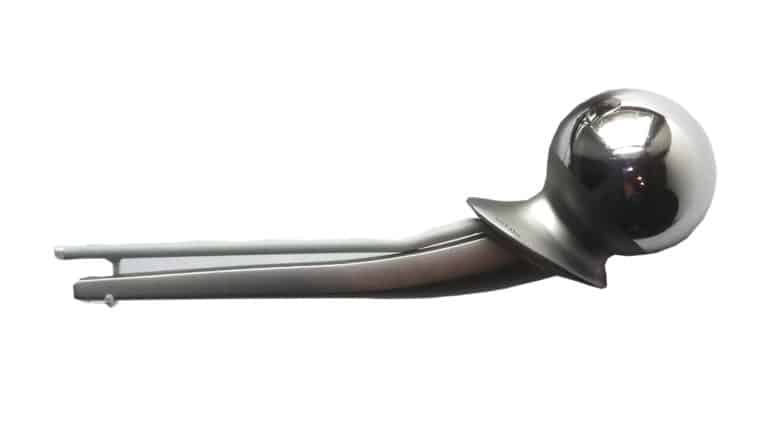
7. Prosthetic hip joints from the Devonshire Royal Hospital

The Devonshire Royal Hospital was housed in the building now known as the Devonshire Dome. It treated patients with a range of conditions, including with hydrotherapy and physiotherapy. According to Derbyshire Record Office, it was granted the Royal title in 1934 and closed in 2000.
8. Amethyst found at Waterswallows Quarry

This amethyst specimen was found at Waterswallows Quarry near Buxton. The quarry exposed a dolerite sill: a layer of igneous rock that intruded into limestone.
9. Bowl found at Lismore Fields

The remains of this bowl were found at Lismore Fields, an early settlement in Buxton. The museum says the roughly 5,500-year-old pot contained traces of milk, animal fats and plant substances. It is among the oldest pots found in Britain.
10. The Old Cottage on the Macclesfield Road

This painting by Harry Kingsley shows the old road from Buxton towards Macclesfield. The Derbyshire Historic Environment Record notes old coal pits beside the road. The museum’s account says that visitors could be wheeled as far as the Cat and Fiddle in a bath chair.
Visiting Buxton Museum and Art Gallery
For opening times and current exhibitions, see Buxton Museum and Art Gallery.
Admission is free and donations are welcome.
The museum’s temporary building is next to Buxton Library on Kents Bank Road, Buxton. The library’s postcode is SK17 9HW.
T: 01629 533540
derbyshire.gov.uk/leisure/buxton-museum/buxton-museum-and-art-gallery
The museum is now in a temporary building next to Buxton Library on Kents Bank Road. Find Buxton Library on Google Maps.
Advertisement