Corbar is one of the most peaceful parts of Buxton. The roads are long and wide and the leafy tranquillity is a natural harbour for retirement homes, hotels and hospitals. The cross on the hill and the former reservoir at Lightwood make ideal destinations for a stroll. As well as taking in the peace and quiet and the fresh air, you can explore some of the town’s more unusual history and ecology.
The area is light on pubs, cafes and shops so the intrepid rambler is advised to accompany their walk with some refreshment. Alternatively, you could start or end the trail at The Dome, formerly The Devonshire Royal Hospital and now University of Derby Buxton, which opens to visitors at selected times and has a student training restaurant, Harpur’s Bistro, which opened in January 2024. Check opening times and restaurant bookings before visiting. The Dome is arguably the most magnificent building in Buxton and arguably one of the most magnificent in the country. Not even gaggles of excitable students can spoil the jaw-dropping sight of the interior. In fact, the cacophony of youth echoing around the ceiling seems to breathe some life into it. You can’t fail to find The Dome, it’s that big domey thing.

From the Dome, roads lead uphill towards Corbar Road and the woodland paths to Corbar Cross. Nearby Lightwood offers another place to explore, while Park Road has heritage of its own, including the former home of film director Robert Stevenson. Use a current map to plan your route: paths and slopes vary.

At the west end of Corbar Road, adjacent to the path up to the cross is the imposing edifice of Northwood House. Northwood formerly housed the John Duncan School and later formed part of the University of Derby. In 2026, planning permission was granted to convert the building for residential use.

Local ghost stories are also associated with Northwood House.
The former Cavendish Girls’ School on Corbar Road started life as Wye House Asylum, which opened in 1861. According to Derbyshire Record Office, the building became a school in 1912 and was demolished in the 1990s. It was a different building from the listed Wye House on the same road, formerly called Corbar Hill House.

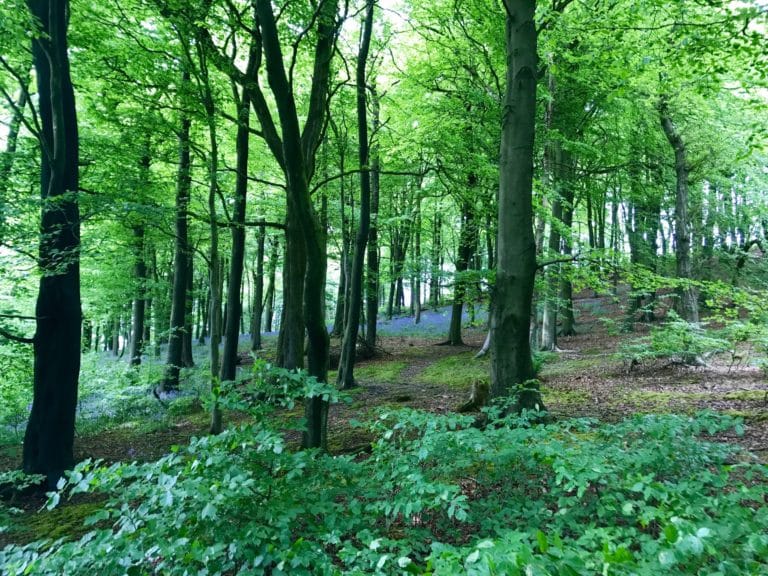
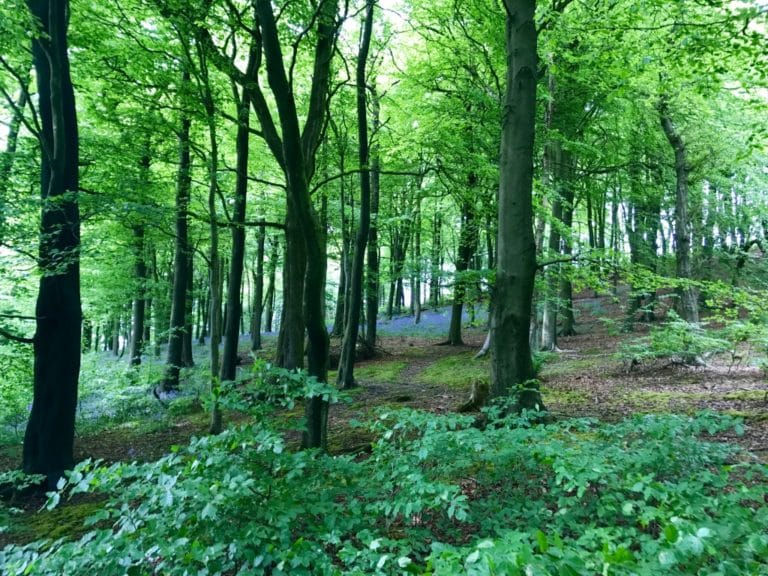
Corbar Woods has a network of paths leading towards the cross. Bluebells flower here in spring; timing varies with the season. Woodland paths can be steep or muddy, so choose footwear and a route to suit the conditions.


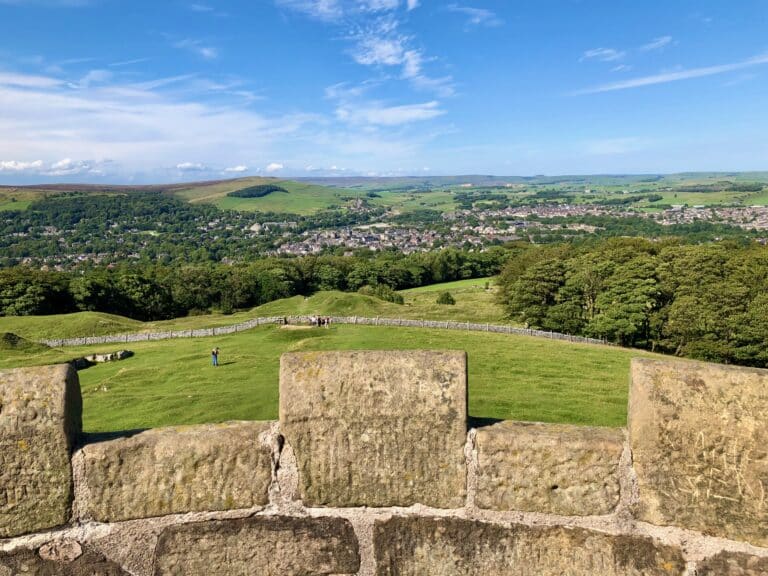
Beyond the shadow of the trees, you will be greeted by the sight of a large wooden cross. A cross was raised here in 1950 to commemorate Holy Year. It was painted pink by pranksters in the 1990s and cut down in 2010 as part of a protest. The present cross was installed in 2011. It serves as the purpose of the walk, if nothing else, and the summit offers one of the best views of the town, although only the warmest of days will encourage you to linger for long.

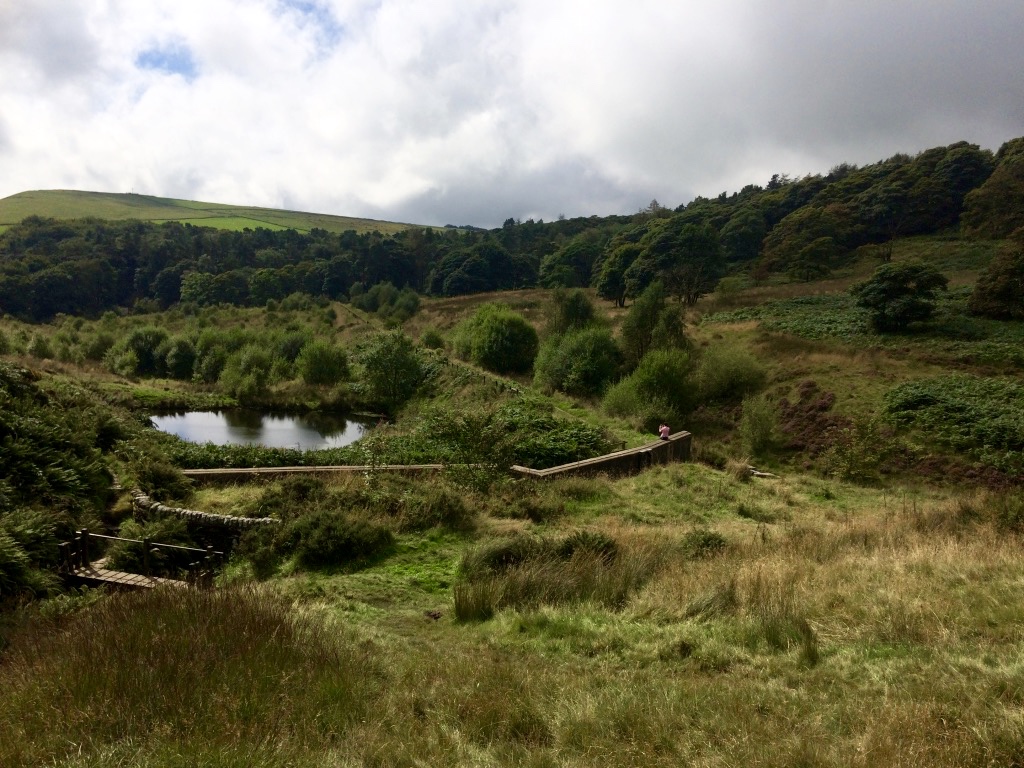
Nearby Lightwood offers woodland, wetlands and meadows. Two reservoirs here once supplied Buxton and were decommissioned in the 2000s. Lightwood also contains a spring-water source owned by Nestlé. The land is managed as a nature reserve by Derbyshire Wildlife Trust, which asks visitors to keep dogs on leads. The trust describes both relatively level paths near the ponds and steeper slopes elsewhere.

Lightwood’s mixture of ponds, woodland, grassland and moorland supports a wide range of wildlife. Depending on the season, look out for birds, amphibians, insects and wildflowers; the reserve guide lists species including common lizards and golden-ringed dragonflies.
If anyone has more facts or stories about this area of town, please feel free to comment.
Advertisement